Pipe Leak Repair in Northglenn, CO
Not every pipe problem announces itself with a flood. The slow ones do their damage quietly: a stain that grows a little each month on the basement ceiling, a musty smell in a room nobody can explain, a water meter that never quite stops turning. By the time a slow leak becomes visible, it has usually been wetting framing, drywall, and insulation for a long while — which is why finding the actual source matters more than mopping up the symptom.
Your provider tracks the leak to its origin. That means pressure tests and moisture readings, not guesswork: a meter test confirms whether the leak is on a supply line, and moisture mapping shows how far the water has traveled from where it escaped. Walls and ceilings get opened only where the repair requires it — at the leak, not at the stain, since water often surfaces several feet from where it got out.
Northglenn's older plumbing writes most of these stories: galvanized supply lines corroding from the inside after five decades, copper lines developing pinhole leaks, and joints loosened by years of Front Range freeze-thaw cycles working on the pipes season after season.
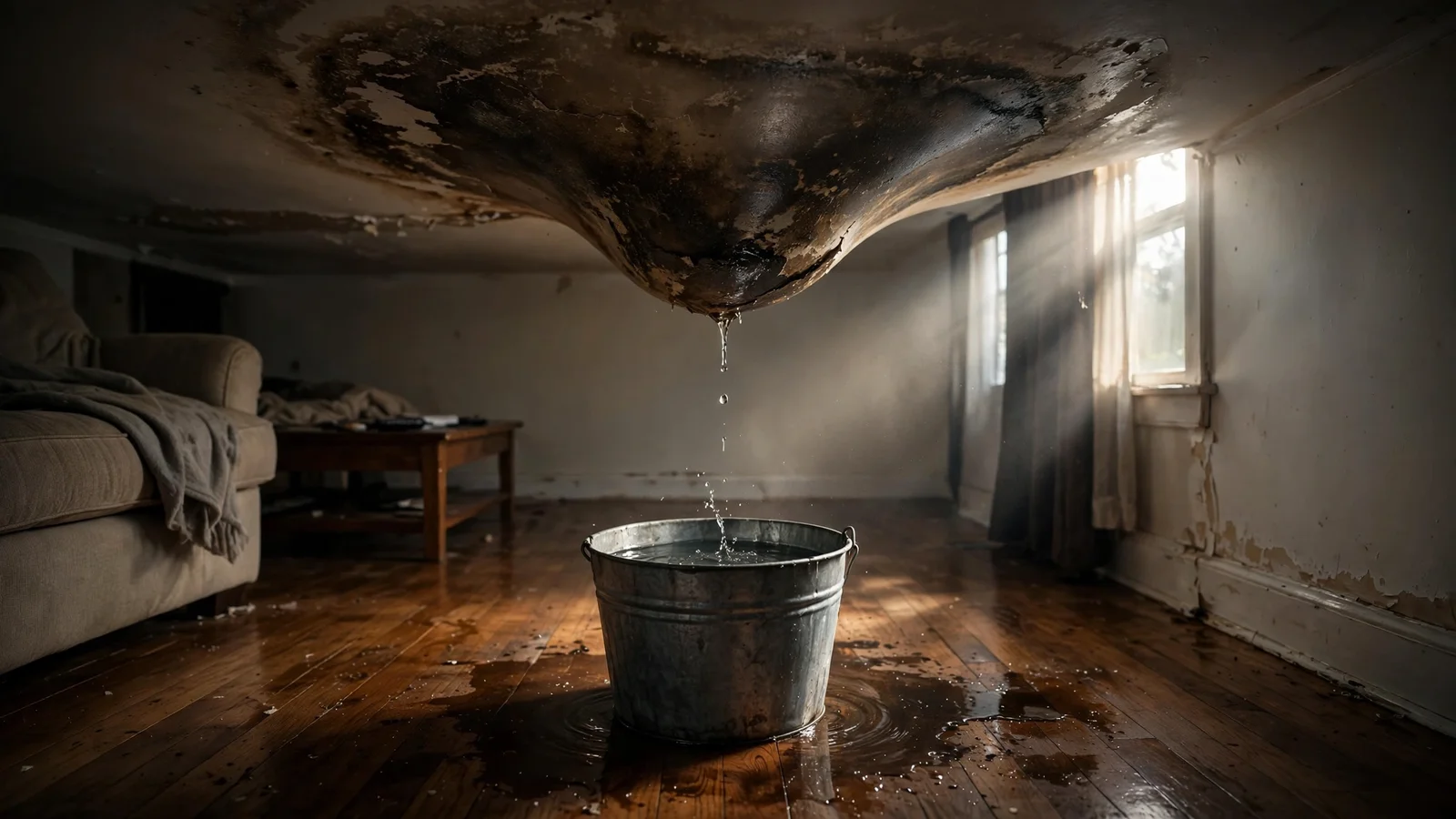
Signs of a hidden pipe leak
- A water stain on a ceiling or wall that keeps growing
- A musty odor in a basement or room with no visible source
- A water meter dial that moves even with every fixture off
- Paint bubbling, baseboards warping, or drywall going soft
- A spot on the floor that feels damp or unusually warm
- Water pressure at one fixture that has slowly faded over months
How your provider finds and repairs a leak
1. Confirm and isolate
A meter test tells your provider whether water is escaping somewhere in the system, and shutoff tests narrow it down — supply line or drain, upstairs or down, one branch of the house or the whole thing.
2. Moisture mapping
Readings across walls, ceilings, and floors show where the water has traveled and where it's concentrated. Water surfaces downhill and sideways from the leak; the map points at the source, not just the stain.
3. Expose and repair
Your provider opens the smallest section that gives access to the failed pipe or joint, then repairs or replaces that section with sound material matched to your line. You'll know what's coming out and why before it happens.
4. Test under pressure
The repaired line goes back under full pressure and gets checked before anything is closed up. Your provider will also tell you what the leak has been wetting, so you know what needs drying attention in the rooms around it.
Pipe leaks in Northglenn homes
Most leak calls in Northglenn trace back to age. Galvanized supply lines installed when these ranch homes were built in the 1960s and 70s corrode from the inside out — the first symptom is often fading pressure, and the second is a pinhole weeping inside a wall. Copper lines have their own pattern: pinholes near joints, and cracks where repeated freezes stressed the metal. Add water heater supply lines and hose bib stubs that split in a hard freeze and weep quietly all winter, and local pros stay busy hunting small leaks in exactly these places.
Need pipe leak repair in Northglenn?
One call connects you with a local technician. No forms.
(555) 234-5678📞 Call Now